Jazz Clubs in Germany: My Guide to Stylish Evenings
Reading time: 11 minutes
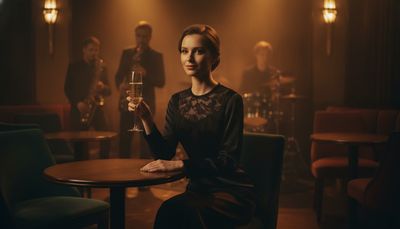
When I sat in Berlin's A-Trane last fall, wrapped in the velvety tones of a live upright bass, I knew: jazz clubs in Germany have become my absolute favorite venues for special evenings. With room for only about 40 guests around me, there was exactly the kind of intimacy that makes a perfect date, far removed from crowded restaurants or predictable cocktail bars.
The German jazz scene is currently experiencing a remarkable renaissance. According to the German Music Information Center, in 2023 there were over 180 active jazz clubs nationwide with regular programming, together hosting more than 4,200 concerts a year (Source: https://miz.org/de/statistiken/konzerte-und-veranstaltungen). These numbers show: jazz is long past being just for nostalgics, and is a living scene for people with style and standards.
Why Jazz Clubs Are the Perfect Date Location
After visiting more than two dozen venues in different cities, I can say: stylish date ideas often begin for me in a jazz club. The atmosphere creates natural closeness without being pushy. You sit close together, you can whisper, but you don't have to force constant conversation. The music takes over when words would be too much.
I especially appreciate that most jazz clubs in Germany maintain a dress code, not stiff but polished. That means both partners make an effort, and you feel that mutual appreciation from the very first moment. According to a survey by the German Association of Concert and Event Business (BDKV), 73% of jazz audiences rate the "upscale but relaxed atmosphere" as the most important factor for their visit (Source: https://www.bdkv.de/publikationen/jahresberichte).
My Top Recommendations for Experiencing Live Jazz in German Cities
Over the past three years, I've deliberately visited jazz clubs in all of Germany's major cities. Here are my personal favorites, all of which I've tested myself:
Berlin: A-Trane in Charlottenburg
The A-Trane at Bleibtreustraße 1 has become my regular club in Berlin. With only 80 seats, it's one of the most intimate jazz clubs in Germany. What thrills me: the musicians play so close that you can see their facial expressions during a solo. Every Tuesday the legendary session takes place here, where international jazz greats drop by spontaneously. My tip: reserve one of the small tables right by the stage. Tickets cost between €15 and €25 (about $16 to $28), depending on the act.
Munich: Jazzbar Vogler in the Gärtnerplatz Quarter
The Jazzbar Vogler at Rumfordstraße 17 combines everything that makes a perfect evening, for me. The bar has existed since 1975 and has that unmistakable vintage charm with original velvet upholstery and dimmed lighting. Live jazz is on here six times a week, mostly from 9 p.m. I can especially recommend the Sunday matinee at 11 a.m. – yes, jazz with brunch! An extraordinary experience that I like to combine with exclusive culinary experiences.
Hamburg: Birdland at Gänsemarkt
The Birdland in the Gänsemarkt-Passage surprises with its location in the basement of a shopping center, but as soon as you walk down the stairs, you step into a completely different world. The club offers 120 seats and is considered the most important jazz institution in northern Germany. What I especially like here: the drinks menu is first-class curated. Their signature cocktail "Blue Note" with gin, violet liqueur and champagne costs €14 (about $15) and fits the mood perfectly.
Cologne: Papa Joe's Jazzlokal in the Old Town
Papa Joe's Jazzlokal at Buttermarkt 37 has been an institution since 1976. Live jazz is played here every day – with no cover charge! That may sound unusual at first, but the concept works: you pay a little more for drinks (from €8, about $9, for wine), and the musicians are funded by donations and the bar. The venue is deliberately small and winding, with room for a maximum of 60 guests. Perfect for spontaneous evenings when you haven't made a reservation.
How to Find Good Jazz Clubs in Germany
Not every city has an established jazz club with its own building. Often the best romantic jazz clubs for special dates hide in cultural centers, hotel bars or as pop-up events. Here's my proven strategy:
- The website jazzclubs.eu keeps a current database of over 200 venues in Germany, Austria and Switzerland, searchable by city and date
- Instagram hashtags like #jazzclubberlin or #livejazzmunich show the latest events and real impressions from visitors
- The apps Songkick and Bandsintown track jazz artists and notify you when they're playing near you
- Local culture magazines like Prinz, Tip or Szene Hamburg always have dedicated jazz calendars
Which Jazz Clubs Are Really Worth It: My Quality Criteria
After numerous visits, I've developed clear criteria for telling whether a club is worth its money. First: the acoustics have to be right. In my favorite club, Munich's Unterfahrt in Haidhausen, professional sound insulation was installed in 2019 for €180,000 (about $198,000), and you hear the difference immediately. Second: sightlines to the stage. Nothing is more frustrating than a blocked view. Third: the staff should love jazz, not just serve it. At Berlin's Zig Zag Jazzclub, the bartender can explain to you exactly why today's pianist plays a different style than last week's, and that expertise builds trust.
Stylish Music Venues for Discerning Dates: Dress Code and Etiquette
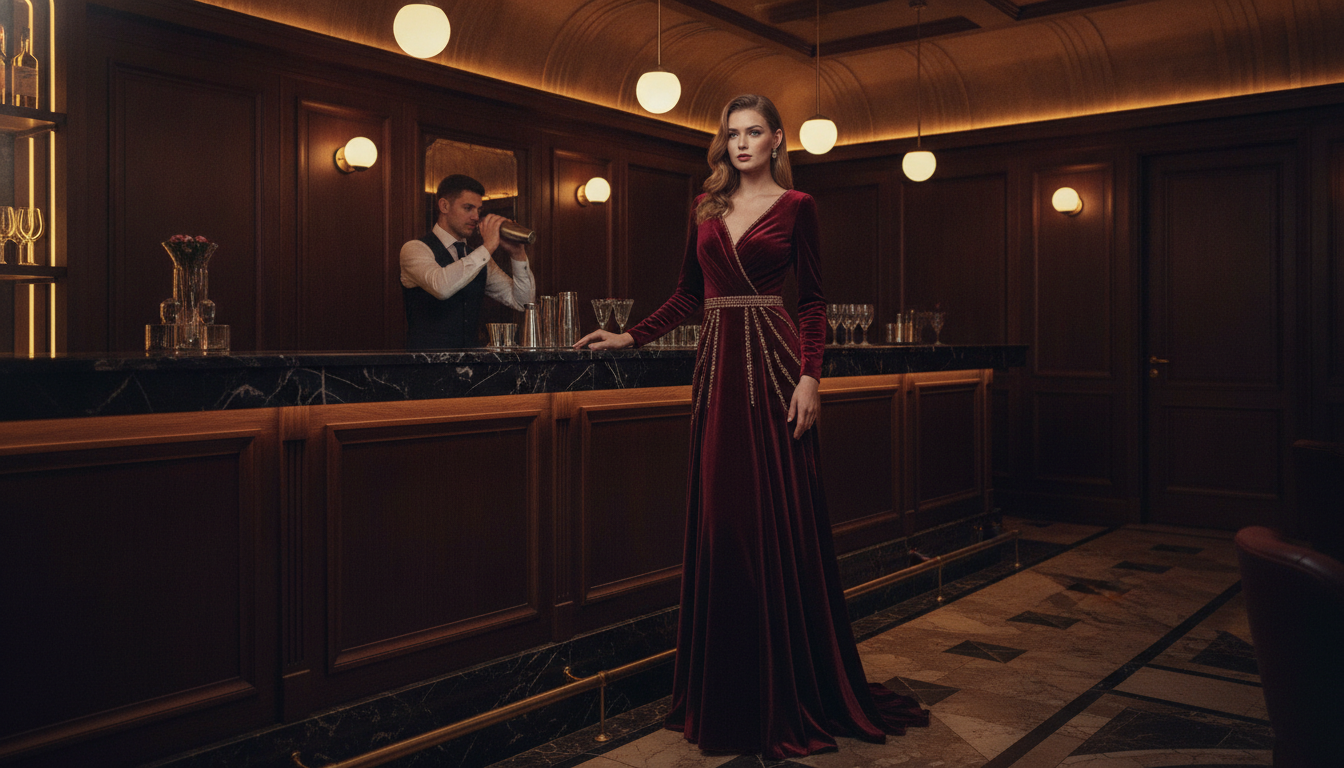
On my first visit to Frankfurt's Jazzkeller, I showed up in jeans and a blouse and immediately felt underdressed. Since then I've learned: a visit to a jazz club deserves that little extra in your wardrobe. Not every club has a formal dress code, but the unwritten rules are clear.
For women, I recommend an elegant dress or a combination of a silk blouse and quality trousers. Heels fit the atmosphere perfectly, though by now I also find stylish loafers or ankle boots absolutely acceptable. Jewelry should be understated – jazz clubs are often dark, and sparkling earrings can get in the way when whispering. I find the right balance between elegant and approachable just as important as at art auctions or exclusive events.
For men: a shirt or high-quality polo, plus well-fitting trousers and leather shoes. A jacket is welcome at top venues like Berlin's A-Trane, but not mandatory. Important: no strong-smelling fragrances – in the tight rooms that quickly becomes unpleasant for everyone.
Club Etiquette
Jazz thrives on the intimacy between musicians and audience. That also means: no talking during the performance. Between pieces you may and should applaud, but please never during a solo. Smartphones stay in your pocket – photography is either banned in most clubs or only allowed without flash. These rules may sound strict, but they create the special atmosphere that sets cultural evenings apart from ordinary nights out.
Prices and Reservations: What You Need to Know
Admission prices for jazz clubs in Germany vary widely. In my experience you pay between €10 and €35 (about $11 to $38), depending on the act and the venue. International stars can also cost €50 (about $55) and more. Munich's Unterfahrt, for example, charges €12 (about $13) for local artists and between €22 and €38 (about $24 to $42) for international acts (as of January 2024).
A reservation is absolutely necessary at the established clubs, especially on weekends. I now always book at least a week in advance. Many clubs offer direct booking systems on their websites, others still work the classic way by email or phone. An insider tip: reserve a table for two even if there will be three or four of you – most clubs will still seat you together at a larger table, but that way you secure a reservation at all on sold-out nights.
Germany's Jazz Scene: More Than Just Music
What fascinates me most about the German jazz scene is its diversity. According to the Institute for Cultural Policy of the Kulturpolitische Gesellschaft, about 8,400 jazz concerts were counted in Germany in 2023, 48% of which took place in dedicated jazz clubs, the rest in cultural centers, theaters and open-air venues (Source: https://www.kupoge.de/ifk/publikationen/kulturstatistik). These numbers show: jazz has long been mainstream for people with taste.
The scene covers all styles, from traditional swing through modern jazz to experimental fusion projects. At Cologne's Loft, for example, I experienced a concert last year where electronic beats merged with live saxophone. By contrast, Munich's Jazzclub Unterfahrt cultivates a more classical approach with bebop and hard bop. That range means: there's a suitable venue for every taste.
My Personal Insider Tips Beyond the Big Cities
It's not just Berlin, Munich and Hamburg that offer first-class live music experiences. Some of my loveliest jazz evenings were in smaller towns:
The Jazzclub Bamberg at Obere Sandstraße 18 is a tiny club with only 50 seats but impressive acoustics. Drink prices are moderate (wine from €5, about $5.50), and the atmosphere feels like the private living room of a jazz lover. The club is run entirely by volunteers, and you notice the passion immediately.
In Dresden I discovered the Jazzclub Tonne, housed in a historic cellar vault from the 16th century. The vaulted ceiling provides unique acoustics. Admission here usually costs only €8 to €12 (about $9 to $13), and after the concert you can strike up a conversation with the musicians right at the bar – something that's rarely possible in larger clubs.
Jazz and Fine Dining: The Perfect Combination

Many jazz clubs in Germany have significantly upgraded their food offerings in recent years. At Berlin's Yorckschlösschen, a club in the historic building of the same name in Kreuzberg, there's now an excellent tapas menu. The kitchen is open until 11 p.m., and the quality is on par with a good restaurant – gambas al ajillo for €14 (about $15), pulpo for €16 (about $18).
I've gotten into the habit of combining jazz evenings with culinary experiences. I often reserve a table first at a nearby restaurant and then go to the club afterward. In Munich, for example, dinner at Pageou on Maximilianstraße pairs perfectly with a subsequent visit to the Jazzbar Vogler – both in the Gärtnerplatz quarter, just a 10-minute walk from each other. This combination of first-class food and live music creates evenings you don't forget – similar to a stylish wine tasting date.
Choosing the Right Kind of Jazz for Your Date
Not all jazz is the same, and not every style suits every date. For a first date I recommend relaxed cool jazz or bossa nova – artists like Chet Baker or Stan Getz create a romantic atmosphere without becoming too dominant. For an evening when you already know each other well and want to recharge, bebop or modern jazz with its complex rhythms and improvisations fits.
Most jazz clubs in Germany publish their programs four to six weeks in advance on their websites. I always listen to short samples on YouTube or Spotify before buying tickets. That way I make sure the style fits my mood and my companion.
Frequently Asked Questions About Jazz Clubs in Germany
How much does an evening at a jazz club cost on average?
A typical evening costs between €40 and €80 (about $44 to $88) per person. That's made up of admission (€10-35), two to three drinks (€7-12 each) and possibly a small snack or dinner beforehand. At top venues like Berlin's A-Trane or Munich's Unterfahrt, you should expect more like €60-100 (about $66 to $110) if you treat yourself to dinner and have several cocktails.
Do I have to like or understand jazz to visit a jazz club?
Absolutely not. Before my first visit I had barely any exposure to jazz myself. What counts is openness to the experience. The atmosphere, the intimacy and the quality of the live performance work even if you can't analyze the musical subtleties. Many clubs also offer introductory events or concerts with commentary that explain what you're hearing.
Which jazz clubs are best for a romantic date?
For romantic jazz clubs for special dates, I recommend venues with a maximum of 80 seats and dimmed lighting. Berlin's A-Trane, Munich's Jazzbar Vogler and Hamburg's Birdland meet these criteria perfectly. Seating matters too: small tables for two with a view of the stage create more intimacy than bar stools or long benches. Avoid large clubs with over 200 seats for a first date – the personal atmosphere gets lost there.
Can you also go to a jazz club alone?
Yes, and I do so regularly. Jazz clubs are one of the few nightlife options where solo visitors are completely normal. Many regulars come alone, sit at the bar and are open to conversation – before or after the performance, not during it. I've met interesting people this way, including musicians, journalists and other jazz lovers.
How early should I arrive to get a good spot?
With reserved tables, 15 minutes before the concert starts is enough. If you haven't reserved a table, I recommend arriving 30-45 minutes early. The best seats are the small tables in the first two rows or at an angle to the side of the stage – from there you see and hear best without being too close or too far away.
Conclusion: Jazz Clubs as a Secret Weapon for Unforgettable Evenings
Jazz clubs in Germany have become the ultimate venue for special evenings for me. They offer what many other date ideas lack: real atmosphere, culture at the highest level and an intimacy that creates closeness without feeling forced. Of the 180 active clubs nationwide, I've now visited about 30 myself, and each had its own character.
Whether you enjoy world-class acoustics at Berlin's A-Trane, experience vintage charm at Munich's Jazzbar Vogler or appreciate the intimacy at a small club like the one in Bamberg – experiencing live jazz in German cities always means an experience with style. My advice: start with an established club in your city, reserve a good table, dress appropriately and let yourself get into the music. Chances are good that you'll become a regular like me.
And if, after this special evening, you're looking for even more inspiration for stylish experiences, it's often worth a look at similar cultural evenings – whether at an art exhibition, an exclusive dinner or other events that combine enjoyment and elegance. Jazz clubs are the perfect entry into a world full of refined experiences.